The Rent Is Paid, but Recovery Is Not
The rent has cleared, and there is enough left for groceries and utilities. Replacing a laptop would mean dipping into savings already set aside for next month. The apartment may be insured, but the landlord’s policy does not cover a renter’s belongings. That leaves a separate recovery bill behind an otherwise orderly household budget.
A renters policy can reduce that exposure, but the monthly price alone says little about the cash needed after a loss. For a covered belongings claim, the deductible and whether payment reflects depreciation affect what remains unpaid. The useful comparison starts with that remaining bill—not simply the cheaper premium.
What Happens After Your Laptop Is Stolen?
The laptop is gone, and tomorrow’s work still needs doing. Theft is commonly covered under renters insurance, including some thefts away from home, but the policy’s terms determine whether this particular loss qualifies. A covered claim is only the first hurdle.
Suppose a comparable replacement costs $1,200, while the insurer values the stolen laptop at $700 after depreciation. With a $500 deductible, an actual cash value settlement would be $200, assuming no other limits apply. The renter would still need $1,000 to buy the replacement. These illustrative figures show how an approved claim can leave most of the immediate purchase unpaid: depreciation reduces the covered value before the deductible reduces the payment.
Replacement cost coverage changes that calculation by using the cost of a comparable new item rather than its depreciated value; the deductible still applies. Under the same assumptions, that would mean a $700 payment. Comparing quotes against this specific loss makes the remaining exposure clearer: the relevant question becomes how much replacement money must still come from savings.
A Covered Fire Leaves You Without Housing

Replacing the laptop becomes less urgent if a covered fire makes the apartment unsafe to occupy. A hotel bill now competes with replacement purchases. Renters insurance may cover temporary housing and other increased living costs through additional living expenses coverage, but only within the policy’s terms. Coverage for damaged belongings does not make the housing allowance unlimited.
The important distinction is between extra spending and ordinary spending. If meals normally cost $400 a month but cost $700 without a kitchen, the potential covered increase is $300—not the full restaurant bill. Reasonable hotel costs may also qualify. Receipts matter because the insurer needs documentation for reimbursement; ask whether an advance is available before committing scarce cash to a lengthy stay.
A dollar cap or time limit can narrow that protection even while displacement continues. Comparing policies therefore means checking how much temporary housing support each provides, and for how long. The remaining uncertainty is not merely whether the fire qualifies, but whether the allowance can sustain the stay.
Could a Guest’s Injury Become Your Bill?
Even with the apartment still usable, a guest’s fall can put savings at risk. Suppose a visitor trips over a loose rug and needs treatment. The injury alone does not establish that the renter owes the bill. Personal liability coverage may pay damages when the renter is legally responsible for a covered injury, and may also cover legal defense costs.
A smaller medical bill may fall under medical payments to others, which can pay eligible expenses regardless of fault. That coverage has its own limit, separate from personal liability. A $1,000 medical payments limit should not be mistaken for enough protection against a serious injury claim.
Once a claim grows beyond minor treatment, the liability limit matters more. Damages exceeding that limit can leave personal exposure. When comparing quotes, check both limits and ask how defense costs are handled. The useful distinction is between help with an immediate medical bill and protection against a larger covered claim.
The Water Damage Your Policy Might Reject
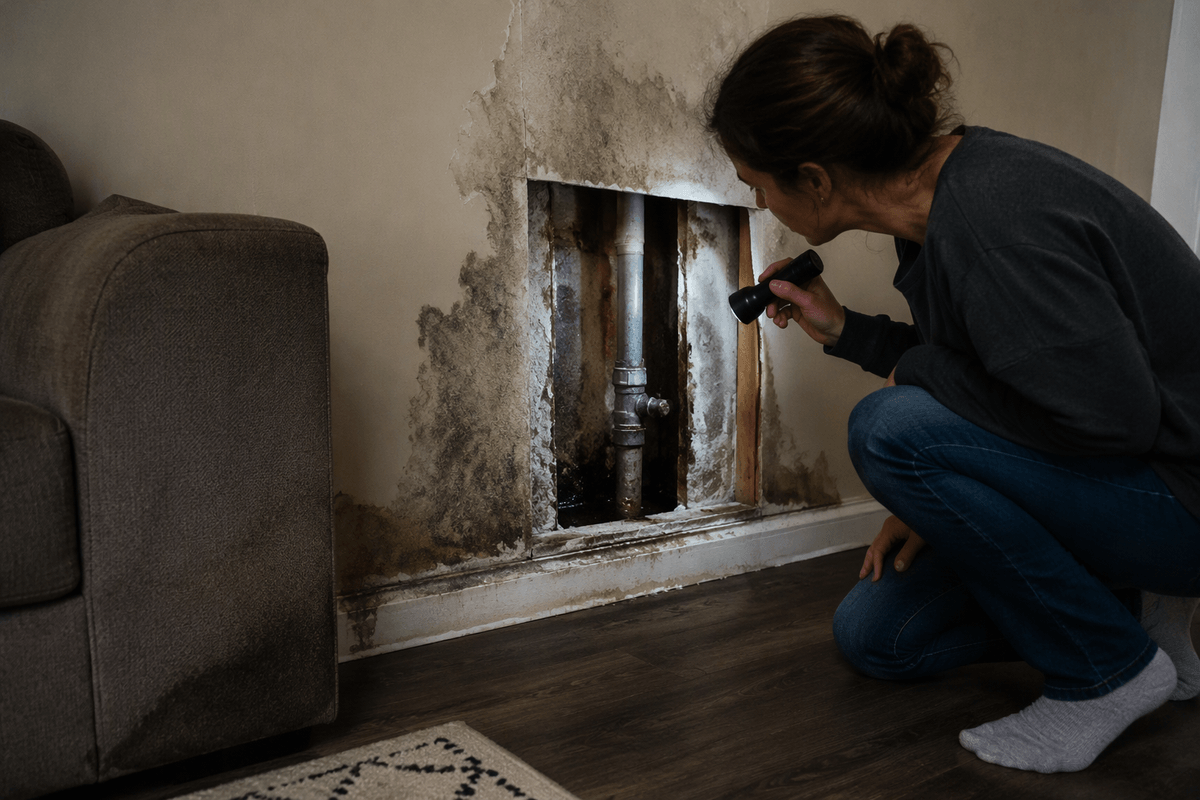
A soaked sofa creates a different question from a guest’s medical bill: what caused the damage? A pipe that suddenly bursts may trigger coverage for belongings, while damage from a slow leak may be excluded. The replacement cost can be identical, yet the source and timing of the water change whether the policy pays.
Water rising into the apartment from outside is another boundary. Standard renters insurance generally excludes flood damage; renters can buy separate flood coverage for their belongings. Sewer or drain backups are also commonly excluded unless an optional add-on applies. When comparing quotes, ask whether that protection is included, what it costs, and which limit and deductible apply. A broad promise of “water damage coverage” is not enough to settle those questions.
Waiting until heavy rain is forecast can leave another gap: a new National Flood Insurance Program policy generally has a 30-day waiting period, with exceptions. The practical comparison therefore starts with the likely route water could take into the rental. Only then does the premium show what protection is being purchased—and what replacement bill still needs savings behind it.
A Low Premium Can Leave Cash Gaps
Once the needed protection is priced in, a cheaper quote may still look attractive. A higher deductible generally lowers the premium, but leaves more of a covered belongings loss unpaid. Suppose one quote saves $60 a year while raising that deductible from $500 to $1,000. One qualifying claim would add $500 to the renter’s share—more than eight years of those savings. The discount arrives gradually; the replacement bill may arrive next week.
Before treating that saving as better value, compare quotes with matching belongings, liability, and temporary housing limits, then check optional protections. Keep replacement-cost terms consistent too. For a renter with little spare cash, the deciding question is whether the larger unpaid share fits available savings without borrowing or delaying rent. A lower monthly bill is useful only if the remaining loss is manageable.
Read the Promise Alongside Its Boundaries
Before choosing between the remaining quotes, request the policy wording rather than relying on the coverage summary. Read the exclusions, claim requirements, and optional amendments alongside the stated limits; these provisions can narrow or change the initial promise. Ask the insurer to identify the wording behind any answer that affects the decision.
Then record the annual premium beside the cash needed for a plausible loss under each quote. Flag any unanswered coverage question before buying. If that unpaid amount would compete with rent, reconsider the deductible or protection offered. The decision becomes clearer when the remaining bill is visible—not when every uncertainty disappears.