Starting or growing a small business is often a tug-of-war between dreams and dollars. You may have a clear plan, a unique product, or even an early list of loyal customers. But without the right kind of funding, most of it remains on paper. This is where the classic debate of debt vs. equity financing comes in. Choosing how to fund your business can shape your growth, ownership, stress levels, and long-term freedom. There is no one-size-fits-all answer, but understanding the trade-offs is a step toward making a decision that fits your business goals and personality.
Understanding Debt Financing
Debt financing involves borrowing money that you agree to pay back over time, with interest. This can come from traditional bank loans, credit unions, online lenders, or even personal loans from friends or family. The appeal is simple: you keep full control of your business. The lender doesn’t get a say in your decisions, and once the debt is repaid, the relationship ends.
That control comes at a cost. Monthly repayments are fixed, regardless of how well your business is doing. If your cash flow is inconsistent, that can cause pressure. Interest rates, especially for newer businesses without strong credit, can be high. There's also risk involved: if your business struggles to generate revenue, you might default on the loan, which affects your credit and personal financial situation if you offered a personal guarantee.
Still, for many, debt is predictable. You know how much you owe and when it will be paid off. This makes budgeting easier. And in some cases, the interest on business loans is tax-deductible, which can slightly ease the financial burden.
Understanding Equity Financing
Equity financing means giving up a share of your business in exchange for capital. This can come from friends or family, angel investors, venture capitalists, or equity crowdfunding platforms. The core appeal here is that you don’t have to worry about repayments. If your business hits a rough patch, you won’t be expected to make loan payments out of pocket.

Instead of paying back a loan, you’re giving your investor a slice of your future profits. Often, you’re also getting their advice, network, and experience, which can be more valuable than the money itself. But giving up equity can change the dynamics. You may need to share decision-making power, especially with larger investors. That means your vision could be diluted if your goals don’t align.
Another thing to consider is that equity isn't free. Over time, as your business grows in value, the share you gave away could be worth far more than the original investment. That might feel like a fair trade now, but it could feel expensive later, especially if your business becomes highly profitable.
Which Is Better for Your Small Business?
The decision between debt and equity financing depends on a few honest questions. First, how comfortable are you with taking on risk and responsibility? If you want full control and are confident in your business's ability to generate consistent income, debt may suit you better. But if you’re in an industry that’s unpredictable or capital-intensive, equity might provide more breathing room.
Next, think about what you need from a funding partner. If it’s just cash to buy equipment or expand production, a straightforward loan may be all you need. But if you’re entering a competitive space and would benefit from someone who can offer mentorship or open doors, then giving up some ownership in exchange for strategic help might be worth it.
The stage of your business also matters. Early-stage startups often lean toward equity because they may not qualify for traditional loans. Later, once the business is more stable, taking on debt to fund growth or manage cash flow becomes more manageable. Some business owners even blend both approaches—starting with equity to get off the ground and using debt to scale.
It’s also worth considering the emotional side. Do you want to run your business alone, with all the ups and downs, or share that ride with a partner who has skin in the game? Neither answer is wrong, but it helps to be honest about what kind of entrepreneur you are.
The Long-Term View
In the short term, debt might feel heavier because of the monthly payments. But once it’s repaid, you own everything. Equity may feel easier up front, but it’s a forever deal. That investor is part of your story for as long as they hold their share. If you eventually want to sell the business or take it public, equity holders will have a claim.
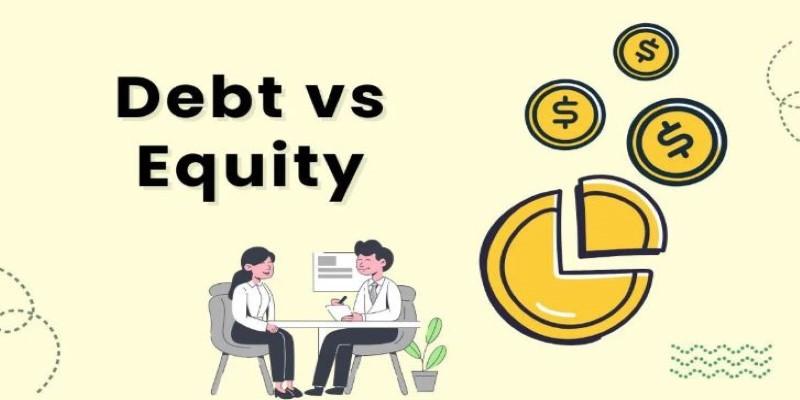
Another long-term factor is control. With debt, you're the sole decision-maker. With equity, especially with multiple investors, you may need to answer to a board or justify your decisions. Some entrepreneurs thrive in a collaborative environment, while others prefer the freedom to make moves without asking for permission.
One more thing: when you take on equity investors, they may expect a return within a certain number of years. That can push a business toward fast growth or even an early sale. If you want to grow slowly or stay small but profitable, debt might let you do that without pressure from investors.
The truth is, both debt and equity financing have helped countless small businesses succeed. It's less about which is better overall and more about which is better for your situation, your temperament, and your vision. A measured, honest look at your business's needs—and your own preferences—will help guide the right choice.
Conclusion
Funding your small business is more than just numbers on a spreadsheet. It’s a decision that reflects your values, tolerance for risk, and long-term plans. Debt financing offers control and predictability but comes with financial pressure. Equity financing brings in resources and guidance but involves giving up some ownership. There isn’t a perfect answer, only the one that fits your goals and personality. Whether you choose debt, equity, or a mix of both, understanding the trade-offs puts you in a stronger position to build a business that lasts—on your own terms.