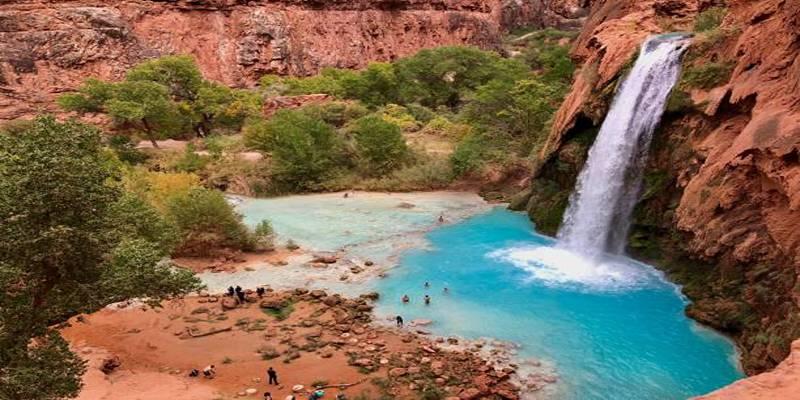
One of the most photographed marvels of Arizona is Havasu Falls, which is an amazing view of turquoise water sliding down the cliffs of red. To capture its beauty more than a camera is needed, one needs to plan, prepare and have technical competence. This guide will take you through all of what to do when it comes to photographing the Havasu Fall like how to get the permits, how to plan your hike, and how to photograph the waterfall in the areas unique challenges in a desert setting.
Planning Your Havasu Falls Photography Trip
Securing Your Permits and Reservations
Before you can even think about camera settings, you'll need to navigate the reservation system. Havasu Falls is located on the Havasupai Tribal reservation, and all visitors must obtain permits in advance. The tribe requires a minimum 3-day, 2-night stay, and reservations typically open in February for the following year.
Book your permits as early as possible—they sell out quickly, often within hours of release. The camping fee is $100 per person per night, plus a $35 entrance fee. Remember that these permits are non-refundable and non-transferable, so plan accordingly.
Best Times to Visit for Photography
The falls flow year-round, but each season offers distinct photographic opportunities. Spring (March to May) provides the highest water flow and comfortable temperatures, making it ideal for dramatic waterfall shots. However, this is also the busiest season.
Summer visits require careful planning due to extreme heat, but you'll encounter fewer crowds and enjoy longer daylight hours for photography. Fall offers a sweet spot with moderate temperatures and good lighting conditions, though water levels may be lower.
Winter photography presents unique challenges with cold temperatures and potential ice formation, but the contrast between snow-dusted cliffs and turquoise water creates truly exceptional images.
Essential Gear for Havasu Falls Photography
Camera Equipment
A versatile camera setup is crucial for capturing the diverse beauty of Havasu Falls. While a DSLR or mirrorless camera offers the most control, even smartphone photographers can achieve stunning results with proper technique.
Pack a sturdy tripod—it's essential for long exposure shots that smooth the water flow and create that silky effect you see in professional waterfall photography. Carbon fiber tripods offer the best balance of stability and weight for the 8-mile hike to the falls.
Lens selection matters significantly. A wide-angle lens (14-24mm) captures the full grandeur of the falls and surrounding canyon walls. A standard zoom (24-70mm) provides versatility for various compositions, while a telephoto lens (70-200mm) allows you to isolate specific sections of the falls or capture details in the rock formations.
Protection and Maintenance
The desert environment and proximity to waterfalls create unique challenges for your equipment. Pack lens cleaning supplies, as mist from the falls can quickly coat your lens. Bring extra batteries, as cold temperatures and high humidity can drain power faster than usual.
Consider a rain cover or waterproof housing if you plan to get close to the falls. The mist can be surprisingly heavy, especially during windy conditions. Silica gel packets in your camera bag help control moisture and prevent condensation issues.
Hiking to Havasu Falls: What Photographers Need to Know
The Trek Details
The hike to Havasu Falls spans 8 miles from the parking area to the campground, with an elevation change of approximately 2,000 feet. While not technically difficult, the length and desert conditions make it challenging, especially when carrying photography equipment.
Start early to avoid the heat and harsh midday lighting. Most photographers begin the hike before sunrise, allowing them to reach the falls during optimal lighting conditions. The trail is well-marked but rocky in sections, so sturdy hiking boots are essential.
Packing Strategy
Weight distribution becomes critical when carrying camera gear for 8 miles. Use a dedicated camera backpack with proper padding and weight distribution. Many photographers find that a hiking backpack with camera insert works better than a traditional camera bag for this trek.
Pack only essential gear—every ounce counts on this hike. Consider leaving non-essential lenses behind or sharing equipment with fellow photographers in your group.
Photography Techniques for Havasu Falls
Mastering Waterfall Photography
Long exposure photography transforms Havasu Falls from a frozen moment into a flowing work of art. Start with shutter speeds between 1-4 seconds for a balance between water movement and detail retention. Longer exposures (10-30 seconds) create complete smoothing of the water but may require neutral density filters during daylight hours.
Aperture settings between f/8 and f/11 typically provide the sharpest results while maintaining adequate depth of field. This ensures both the foreground rocks and background canyon walls remain in focus. ISO should remain as low as possible to minimize noise, typically between 100-400. The bright turquoise water and red rock cliffs provide natural contrast, so you won't need to push your camera's sensitivity.
Composition and Lighting
The most compelling Havasu Falls photographs often include foreground elements like the distinctive travertine pools or desert vegetation. These elements add depth and context to your images while showcasing the unique desert oasis environment.
Golden hour provides warm light that enhances the red canyon walls, but don't overlook midday shooting. The high canyon walls create natural diffusion, and the bright turquoise water actually photographs beautifully under even lighting conditions.
Experiment with different perspectives. The classic wide shot showcasing the full 100-foot drop is stunning, but don't forget to capture details—the intricate patterns in the travertine formations, close-ups of the turquoise pools, or the way light plays through the mist.
Working with the Unique Lighting Conditions
The canyon environment creates challenging lighting situations. The contrast between bright water and deep shadows in the rock walls can exceed your camera's dynamic range. Consider bracketing exposures and using HDR techniques, or shoot in RAW format for maximum post-processing flexibility.
Polarizing filters help reduce reflections on the water surface and enhance the contrast between the turquoise water and red rocks. They're particularly useful during midday shooting when reflections are strongest.
Campground Photography and Beyond
Exploring Additional Photo Opportunities
While Havasu Falls serves as the main attraction, the area offers numerous additional photography opportunities. Mooney Falls, located below the campground, provides a more dramatic and powerful waterfall experience, though it requires a challenging climb down chain-assisted cliffs.
Beaver Falls, further downstream, offers a series of smaller cascades and pristine pools perfect for intimate landscape photography. The hike to Beaver Falls adds several miles to your day but rewards photographers with less crowded conditions and unique compositions.
Respecting the Environment and Community
Remember that you're visiting sacred land belonging to the Havasupai Tribe. Respect posted signs and stay on designated trails. The Leave No Trace principles are especially important here—pack out all trash and avoid disturbing the natural travertine formations.
Be considerate of other photographers and visitors. Popular viewpoints can become crowded, especially during sunrise and sunset. Communication and patience ensure everyone can capture their desired shots.
Conclusion
Havasu Falls is a dream destination for photographers, offering unmatched beauty and unique lighting conditions. Its challenging access adds adventure, making it more than just another landscape photography spot. Plan early—permits, physical prep, and gear selection are essential. The effort rewards you with stunning images and unforgettable memories. Whether you're an experienced photographer or eager to elevate your skills, Havasu Falls is the ultimate backdrop for extraordinary photography.