Switzerland or Chamonix: Which Alps Experience Fits?
Choosing between Switzerland and Chamonix usually starts with one practical question: do you want effortless access to famous viewpoints, or a more active mountain base? Switzerland works well for travelers who value reliable trains, polished lift connections, and iconic scenery with less hiking commitment. The limitation is cost—major mountain railways and cable cars can consume a moderate budget quickly, especially when weather makes a paid viewpoint disappointing.
Chamonix feels more flexible if dramatic landscapes and varied outdoor days matter more than seamless logistics. You can combine short hikes, demanding routes, and valley activities without paying for a mountain lift every day, but weather exposure and elevation changes make plans less predictable. Summer crowds affect both destinations, though they concentrate around Switzerland’s headline peaks and Chamonix’s central lifts. For a 7–10-day itinerary, the better choice depends less on which place looks more impressive and more on whether you prefer dependable access or greater adventure, with backup options when clouds close in.
Matterhorn: Switzerland’s Most Iconic Summit
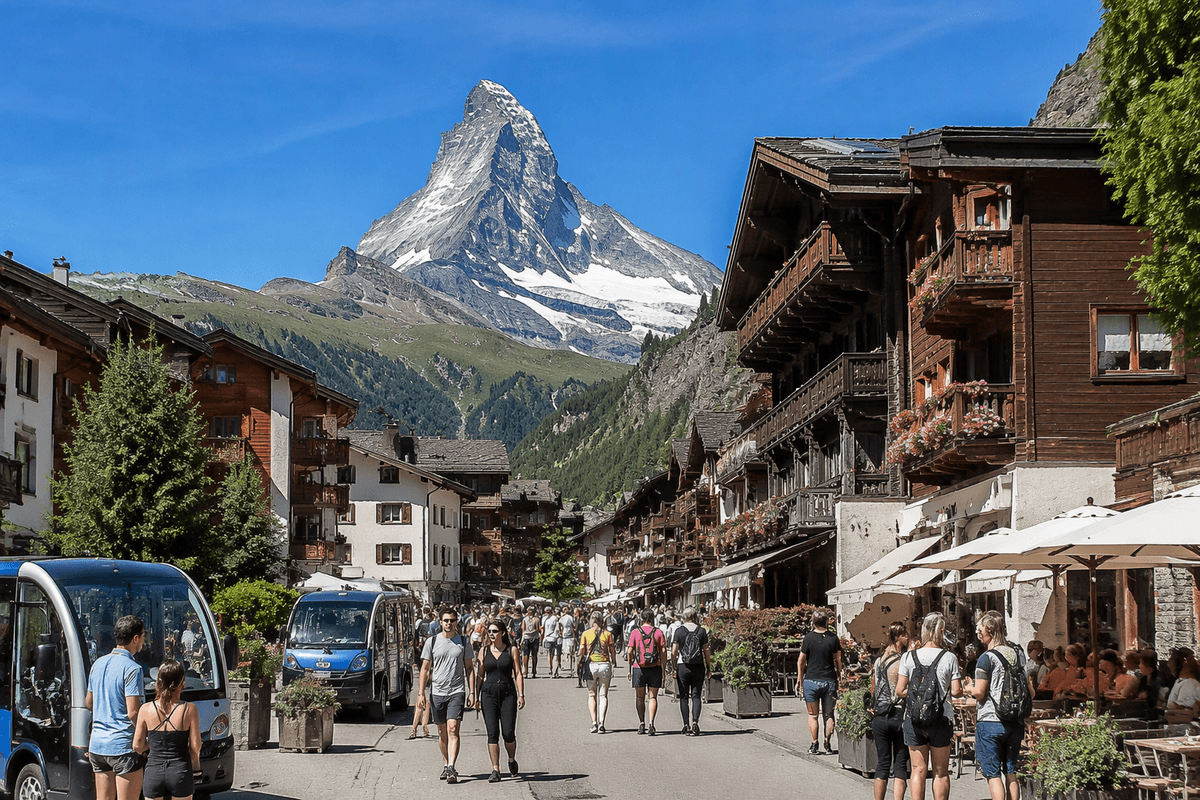
The Matterhorn is the strongest choice when the goal is one unforgettable Swiss peak rather than a full day of mountain activity. From Zermatt, trains and lifts make viewpoints such as Gornergrat and Matterhorn Glacier Paradise relatively accessible, which suits travelers with limited hiking time or changing energy levels. That convenience comes at a price: transport is expensive, and clouds can hide the summit soon after you arrive. Booking a clear-weather morning helps, but it may require rearranging the rest of your itinerary.
Zermatt itself also demands planning. The village is car-free, accommodation costs more than in many Alpine bases, and summer crowds gather around the main viewpoints. Gornergrat offers the easier, more scenic introduction, while higher glacier access adds altitude and weather exposure without guaranteeing a better view. For a moderate budget, one paid excursion is usually enough; keep nearby valley walks or a lower-cost village day ready if visibility collapses.
Jungfrau Region: Best for Classic Alpine Views
The Jungfrau Region suits travelers who want the classic Swiss combination of green valleys, snow-covered peaks, and efficient mountain transport. From Interlaken, routes toward Lauterbrunnen, Wengen, and Grindelwald create more flexibility than Zermatt: you can choose a high viewpoint, a valley walk, or a lower-cost village day when clouds settle in. Jungfraujoch is the headline excursion, but its price and crowded trains make it difficult to justify unless visibility is excellent.
For a moderate budget, First or Männlichen often gives a better balance of scenery, hiking, and cost, especially in stable summer weather. The region’s main limitation is route complexity; connecting trains and lifts can consume much of a day, while popular paths become busy by late morning. Staying three nights allows one major excursion and a weather backup without rushing between valleys.
Chamonix: Best Base for Dramatic Mountain Adventures
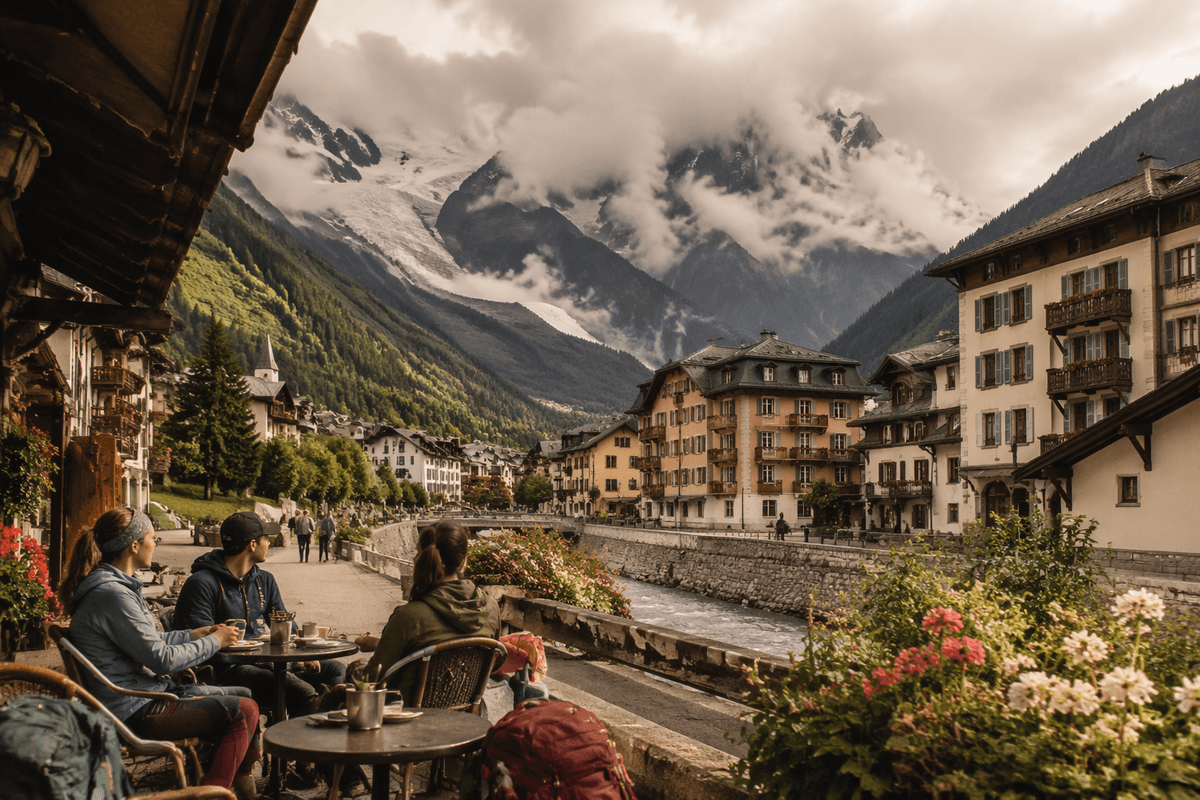
Chamonix works best when the trip is built around variety rather than one guaranteed viewpoint. The Aiguille du Midi delivers the most dramatic panorama with minimal walking, but its high lift cost, queues, and wind-related closures make it a risky centerpiece in unsettled weather. The Mer de Glace offers an easier alternative, though the journey can feel expensive for a shorter experience, especially if glacier access is limited.
The valley is more rewarding for travelers willing to trade convenience for effort. Routes toward Lac Blanc or the Grand Balcon Sud provide stronger hiking days and views across Mont Blanc, but steep terrain, crowded trails, and sudden weather shifts require flexibility. Staying three or four nights allows one major lift excursion, one serious hike, and lower-cost backup days in town or nearby villages. Chamonix is less polished than the Jungfrau Region, yet it gives an active traveler more ways to salvage a cloudy or low-energy day.
How to Choose Your Alpine Peak
Choose the peak by matching the experience to your available energy, not simply by chasing the highest summit. Matterhorn viewpoints suit travelers who want a concentrated, iconic day with minimal hiking, while the Jungfrau Region is better for combining rail-accessible scenery with flexible valley walks. Chamonix becomes more rewarding when you are comfortable trading predictable transport for steep trails, changing conditions, and a more active schedule.
Budget should shape the decision early. A single premium excursion—such as Gornergrat, Jungfraujoch, or Aiguille du Midi—can fit a moderate trip, but paying for several high lifts leaves little room for weather-related changes. Choose one headline ascent, then reserve lower-cost alternatives nearby. This works particularly well in the Jungfrau Region and Chamonix, where villages and valley routes remain useful when upper lifts close.
For seven to ten days, avoid moving bases for every famous view. Three nights in one area gives enough time for a clear-weather peak day, a hike, and a realistic recovery or backup day. Check the forecast before committing to the most expensive ride, and treat crowds as part of the choice: early starts improve both visibility and trail space, but they do not remove summer queues entirely.
The Alps Experience Worth Choosing
The best Alps experience is the one that leaves room for weather, energy, and budget rather than depending on perfect conditions every day. Choose Switzerland for efficient access and iconic viewpoints; choose Chamonix if active days and flexible hiking matter more. Neither destination guarantees clear summits or quiet trails, so one expensive highlight is usually enough.
For most independent travelers, a slower itinerary with one headline peak, one substantial hike, and a practical backup day will feel more rewarding than collecting every famous lift. The right choice is not the highest viewpoint, but the base that still works when clouds, crowds, or tired legs change the plan.