The Lowest Quote Raises More Questions
Two contractor bids arrive for the same major repair, yet the cheaper one is several thousand dollars below the other. The difference feels decisive until the details start to move: one proposal mentions removal, permits, and cleanup; the other leaves them unclear. A low number can reduce the immediate borrowing need, but it can also leave costs waiting outside the contract.
That makes the lowest quote a starting point for questions, not an automatic win. Check whether both contractors priced the same labor, materials, preparation, disposal, and finishing work. If key items are missing, the apparent savings may return later as allowances, added invoices, or change orders. The higher bid may still carry its own risks, but a clearly defined scope gives the price something solid to stand on.
Start by Matching What Each Quote Covers
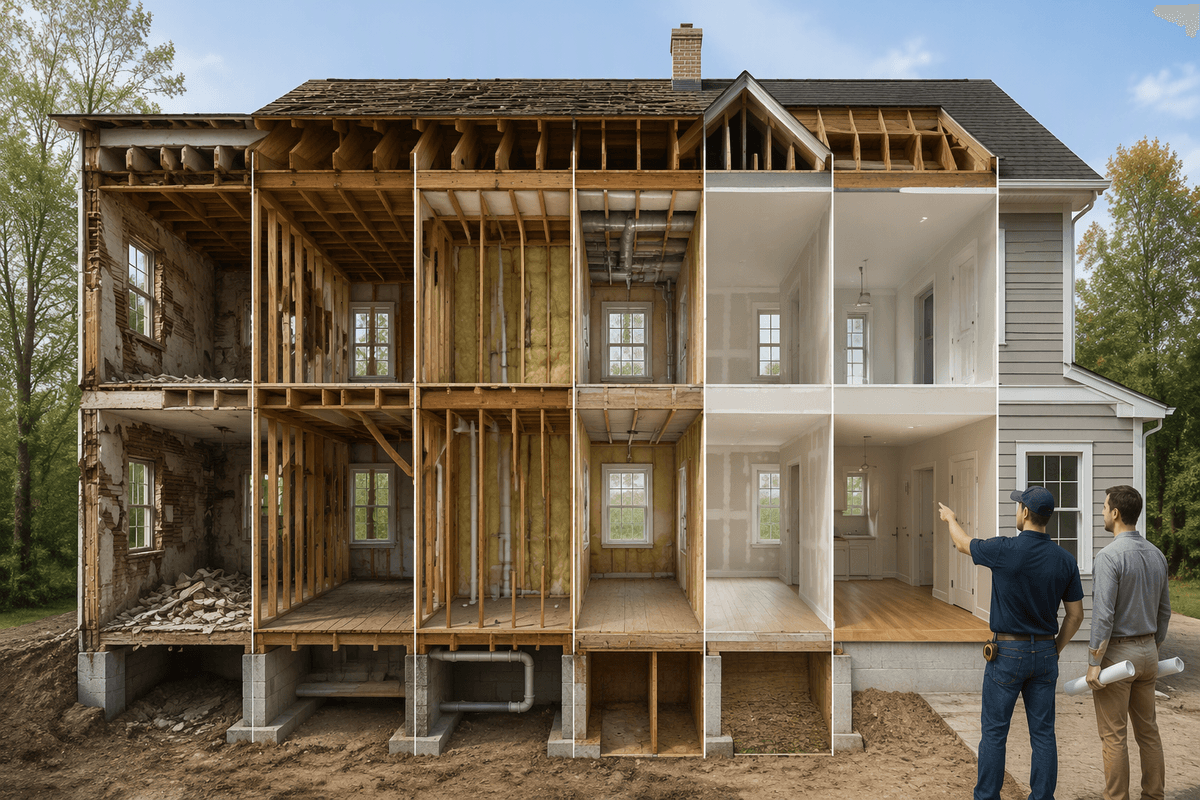
Put the proposals side by side before judging the numbers. Start with the basic work sequence: preparation, demolition, removal, repairs to hidden damage, installation, finishing, cleanup, and final inspection. One contractor may include all of these steps while another prices only the visible repair. That difference can make a quote look cheaper even when both contractors expect to be paid for the same finished result.
Mark each item as included, excluded, unclear, or priced as an allowance. Pay close attention to permits, inspections, equipment rental, disposal fees, surface preparation, and repairs discovered after the work begins. These details often carry modest individual costs but can create a large gap when several are missing. Ask both contractors to confirm the same assumptions in writing and to state what happens if conditions differ from the description. A rushed comparison can lead to a deposit based on an incomplete scope, then force a funding decision when the project is already underway. Once the scope is aligned, the remaining price difference becomes easier to examine rather than being hidden inside different definitions of “complete.”
Materials Reveal Where Prices Quietly Diverge
With the scope aligned, compare what each contractor plans to install, not just the labor attached to it. Roofing, windows, siding, flooring, and other major repairs can vary sharply by grade, thickness, durability, warranty, and manufacturer. A cheaper bid may use a basic product while the higher bid includes a longer-lasting option, better underlayment, or more complete weather protection. If the proposal only says “standard materials,” the price still rests on an assumption that has not been tested.
Ask for product names, quantities, and installation requirements, then check whether both bids include the same supporting materials. Fasteners, flashing, sealants, insulation, trim, protective barriers, and delivery charges are easy to leave out because they are less visible than the main product. Allowances create another risk: a low material allowance can make the quote look attractive, but choosing a suitable replacement later may require paying the difference. The timing matters too. Material shortages or discontinued products can force a substitution after the deposit is paid. A modest price gap may be reasonable when it buys better materials, but the contractor should explain that trade-off before work begins.
Payment Terms Predict Cash-Flow Pressure
Even when the materials match, the payment schedule can make one quote much harder to carry. Compare the deposit, progress payments, retainage, and final balance rather than focusing only on the total. A contractor requesting a large deposit may create immediate cash pressure before much work is completed. A lower deposit may look safer, but unusually large payments tied to vague milestones can create similar risk once the project is underway.
Check what triggers each payment and whether the schedule follows visible progress, such as completed demolition, delivered materials, or finished installation. Confirm how approved changes are billed and whether material deposits are refundable if the start date moves. Financing costs also belong in the comparison: a quote that fits cash reserves may still require a loan or credit balance if payments arrive before reimbursements or insurance funds. Keep enough money available for permits, temporary repairs, and unexpected damage. Clear terms do not guarantee smooth work, but they show when cash will leave the household and make a strained payment schedule easier to challenge before signing.
Change Orders Expose the Real Price Difference

Once payments are scheduled, the next pressure point appears when the contractor finds something that was not visible during the estimate. Rotting sheathing, damaged wiring, uneven framing, or poor drainage can justify extra work, but vague change-order language makes it difficult to tell a real discovery from an underpriced bid. Compare how each proposal handles hidden conditions, including inspection methods, labor rates, material markups, and the approval process.
A change order should identify the added work, its cost, and its effect on the completion date before the work proceeds. Be cautious when a contractor says the final price will depend on “unforeseen issues” without giving examples or unit prices. Several small changes can consume the money set aside for emergencies, while refusing necessary repairs can leave the original problem unresolved. Ask whether unused allowances are credited back and whether a written approval is required before additional charges begin. The lower bid may remain cheaper after reasonable contingencies, but a pattern of exclusions and open-ended additions suggests the headline price was never the likely project cost.
A Clearer Quote Still Needs Contractor Scrutiny
Even a detailed quote can become a poor choice if the contractor handling it creates separate risks. Review the contractor’s license, insurance, references, complaint history, and experience with the specific repair. Confirm who will supervise the work and whether subcontractors are included in the same agreement. A polished proposal does not help if calls go unanswered, schedules remain vague, or responsibility shifts between crews.
Ask how the contractor documents site conditions, protects the property, handles delays, and resolves disputed work. Be cautious if the contractor pressures you to sign quickly, requests unusual payment methods, or avoids putting promises in writing. References should involve comparable projects, not only recent jobs selected by the contractor. These checks take time and may delay the start date, but rushing can turn a clear price into a difficult recovery process. The strongest quote is therefore not simply detailed; it comes from a contractor whose behavior supports the terms on the page.
Choose the Bid You Can Defend Later
After checking the scope, materials, payment schedule, change-order rules, and contractor behavior, the decision may still involve a close price gap. Choose the bid whose assumptions can be explained clearly and whose total remains manageable if ordinary problems appear. A slightly higher price may be justified when it includes necessary work, stronger materials, or a payment schedule that protects cash reserves. That advantage disappears if the contractor cannot document the reasons behind it.
Keep the comparison, written clarifications, and contingency amount with the signed agreement. Those records will matter if the project runs late, costs increase, or promised work is disputed. The safest bid is not necessarily the lowest or highest. It is the one that leaves the fewest unanswered questions and gives the homeowner a defensible reason for committing the money.