Florence Beyond the Tourist Checklist
By late morning, Florence’s historic center can turn a simple museum visit into a slow-moving queue, especially around the Duomo and Uffizi. Those landmarks still deserve a place in a first trip, but building every day around them leaves little time for meals, quieter streets, or the city’s evening rhythm.
With three or four days, choose one major sight early, then shift outward for neighborhoods, markets, and dinners that require less advance planning. Where you sleep matters just as much: central convenience saves walking, while Oltrarno or Sant’Ambrogio can offer better atmosphere for a modest increase in transit effort.
Where to Go: Neighborhoods Worth Wandering
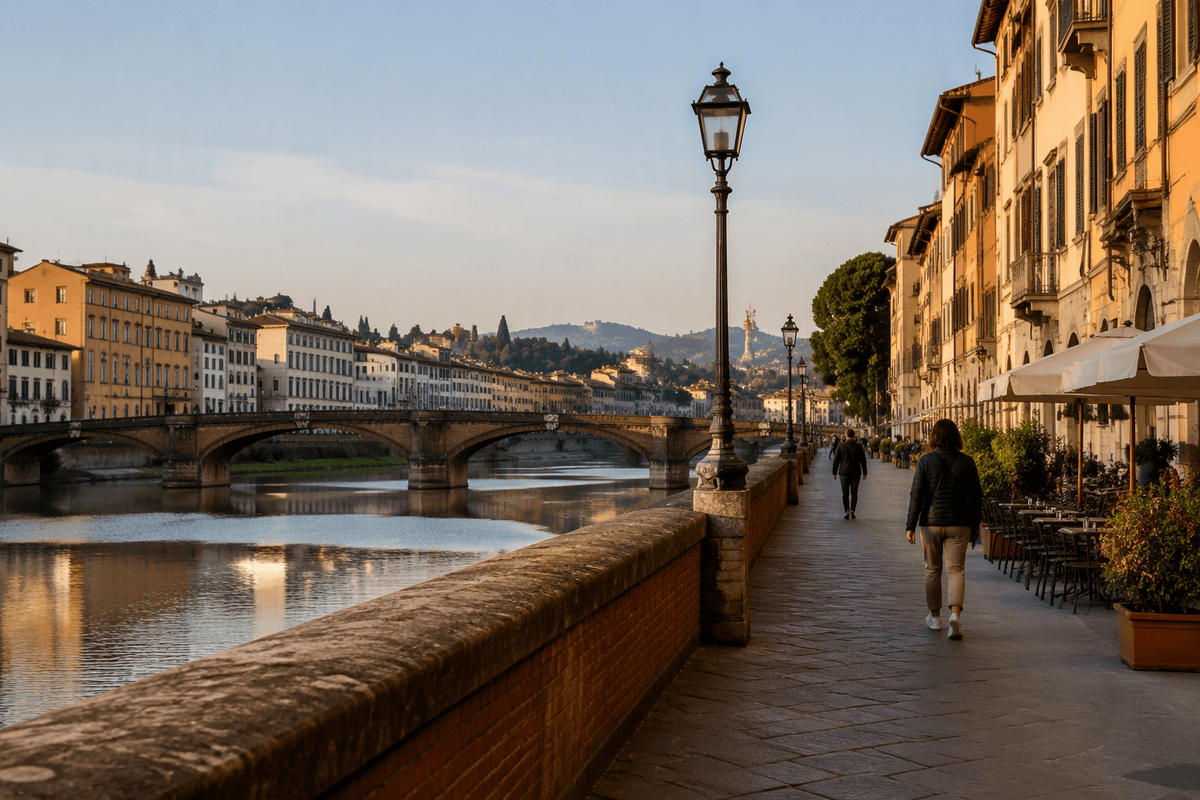
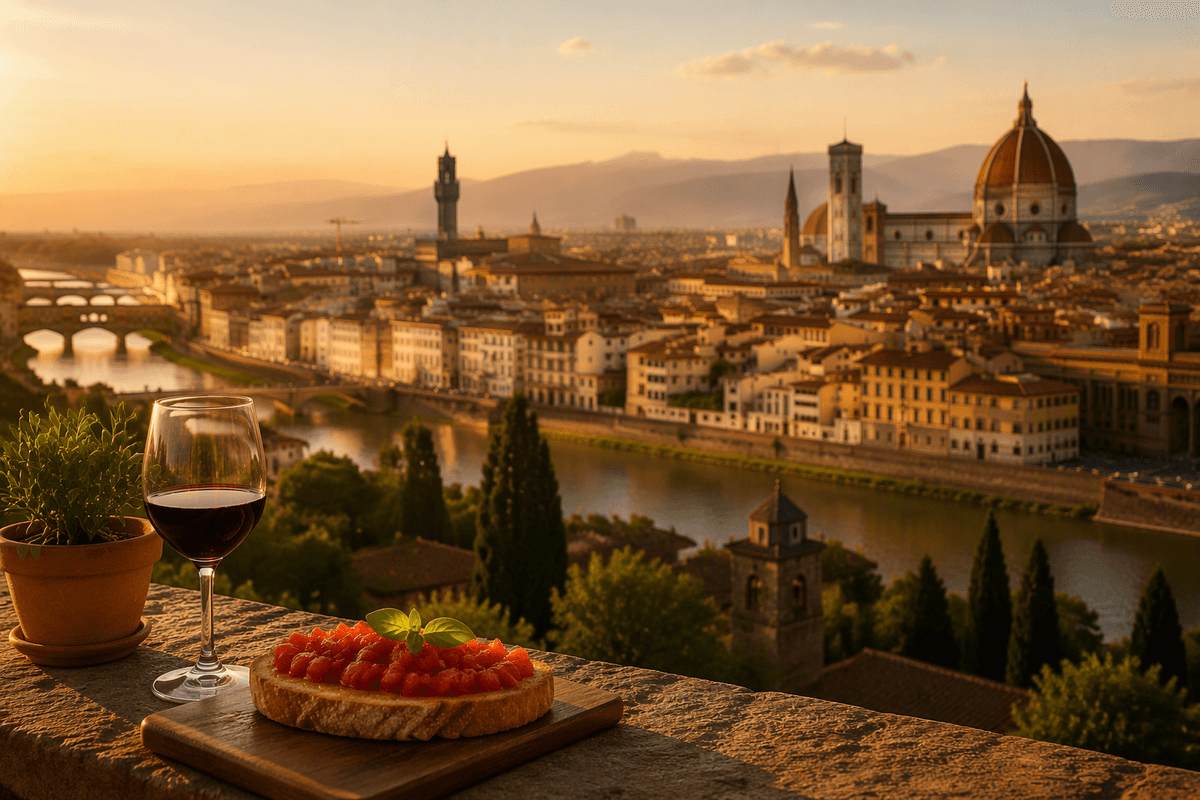
Start in Oltrarno when you want Florence to feel less arranged for visitors. The streets south of the Arno reward slow wandering, with artisan workshops, small wine bars, and the climb toward San Miniato al Monte for a broader view. It works best in an afternoon that can stretch into dinner; crossing back and forth for every landmark becomes inefficient, and the uphill sections are tiring after a full museum morning.
Sant’Ambrogio is a more practical choice for everyday atmosphere. Its market, cafés, and residential streets sit close enough to the center for an easy walk, but the area feels less concentrated than Santa Croce. Go earlier for market activity, though some stalls wind down before lunch, and evening options are quieter than in the central restaurant lanes.
For limited time, avoid treating San Niccolò and Santa Croce as separate day trips. They connect naturally along the river and are best paired with one central sight, provided you begin before the busiest hours. Otherwise, crowds and unplanned stops can consume the afternoon before you reach the neighborhoods that make the route worthwhile.
What to Do: Local Rhythms and Rituals
Plan Florence around its daily rhythm rather than filling every hour with attractions. An early walk through the center is often more rewarding than another timed entry: the streets are quieter, cafés are opening, and the light makes the Duomo area feel less staged. Reserve one major museum for this window, then leave the afternoon flexible for a market, a long lunch, or a rest. Trying to combine multiple museums with neighborhood wandering usually turns both into rushed checklists.
In the evening, follow the local sequence of aperitivo, dinner, and a slow walk rather than booking a restaurant at the first available hour. Around 6:30 or 7 p.m., a wine bar can provide a lower-cost pause before dinner, while later reservations suit the city’s more relaxed pace. This works especially well in Oltrarno or Sant’Ambrogio, where the streets remain pleasant after dark; however, smaller restaurants may close between lunch and dinner or require advance booking. Keep one night unstructured, since weather, fatigue, or an unexpectedly good square can easily make a rigid itinerary feel like work.
Where to Eat Like a Florentine
For a first taste of Florentine food, look for a trattoria serving a short menu rather than a restaurant advertising every regional classic in six languages. Ribollita, pappa al pomodoro, grilled meats, and crostini are most satisfying where the kitchen turns over quickly, especially around Sant’Ambrogio or Santo Spirito. Lunch is usually easier on both budget and availability, while dinner in a small, well-regarded dining room may require booking several days ahead. A crowded room is not automatically a warning, but a menu translated into multiple languages with aggressive street-side invitations usually signals convenience over character.
Use markets selectively. Sant’Ambrogio works well for a casual midday meal when you want to eat near neighborhood life, though the choices are less useful late in the afternoon when stalls begin closing. For an inexpensive evening, combine an aperitivo with a shared plate of schiacciata or a simple pasta, rather than expecting a full dinner from bar snacks. Reserve one memorable meal in advance, then keep another night flexible; Florence’s best food plan often depends on energy, weather, and whether you are willing to walk ten minutes beyond the busiest square.
Where to Sleep: Stay Like a Local
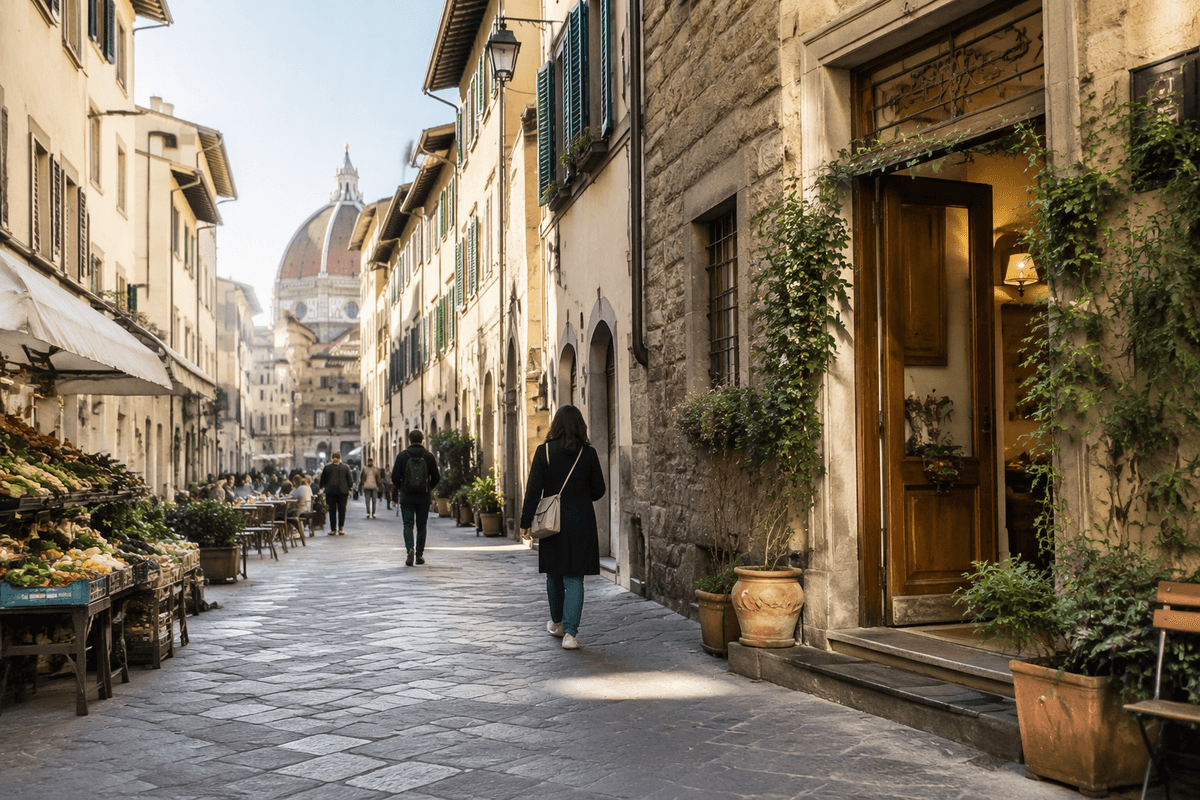
Choosing where to sleep in Florence is mainly a decision about walking tolerance. Staying near the Duomo or Santa Croce keeps major sights within easy reach and makes early starts simple, but rooms often cost more and the streets can remain noisy well into the evening. Sant’Ambrogio offers a better balance for many first-time visitors: central enough to walk almost everywhere, with more everyday cafés and fewer souvenir-shop corridors.
Choose Oltrarno when atmosphere matters more than perfect efficiency. Guesthouses around Santo Spirito or San Frediano make evening meals and wandering effortless, though crossing the river for timed museum entries adds planning and a few extra minutes each way. Apartments can appear economical, but cleaning fees, minimum stays, and limited host support sometimes erase the savings. For three or four nights, a well-located hotel or guesthouse usually beats a cheaper room requiring daily taxis or long uphill walks.
Build Your Own Florence Experience
For three or four days, build around one major sight, one neighborhood, and one properly timed meal each day. Sleep centrally if early museum access matters; choose Oltrarno or Sant’Ambrogio if evening atmosphere matters more. Book the Uffizi, Accademia, and one special dinner ahead, but leave space for weather, fatigue, and streets that deserve an unplanned turn.
The most satisfying Florence itinerary is not the one with the most stops. It is the one that limits crossings, protects time for meals, and lets the city change pace around you. If a plan feels crowded on paper, remove one attraction before arrival rather than sacrificing the slower experiences that make Florence memorable.